
Iran’s supreme leader told his military on Saturday to answer any new American or Israeli attack right away and to hit back wherever it chooses, while diplomats raced in Qatar to keep the war from restarting after Tuesday’s U.S. midterm elections.
As of Saturday afternoon, the United States had not announced any new strike on Iran. Video clips of an earlier presidential address about Iran strikes have been circulating on social media this weekend; they are not from today.
What Iran said
A statement posted Saturday on the Telegram account of Supreme Leader Mojtaba Khamenei said “any level or type of threat must be met with an immediate, impactful, and geographically unrestricted response,” CNBC reported. Iranian state media said Khamenei met with the country’s top commanders, the first such meeting reported publicly since the war began, and told them to widen their list of possible U.S. and Israeli targets, according to The National News Desk.
Khamenei became supreme leader after the Feb. 28 U.S.-Israeli strikes that opened the war killed his father, Ali Khamenei. The younger Khamenei has made no public appearance since then.
Iran’s armed forces chief of staff, Maj. Gen. Ali Abdollahi, said any attack would be met with “immense force,” Al Jazeera reported.
What Washington said
Rubio told reporters the president has not yet decided whether to resume military action, according to Al Jazeera, and said he did not know whether the talks in Qatar have a deadline.
According to MS NOW, which cited three officials in the region, the administration has told Gulf partners that American strikes could come as soon as Nov. 4, the day after the election. The White House declined to comment on that report, The National News Desk said.
Speaking Tuesday, Trump said the war will end “whenever I want it to,” CNBC reported.
The talks in Qatar
Qatari mediators spent more than 12 hours in Tehran on Friday trying to restart direct talks between the two countries, a source familiar with the discussions told CNBC. An Iranian delegation went to Doha on Saturday.
Iranian Foreign Minister Abbas Araghchi told Al Jazeera that the U.S. outreach, including a letter from Vice President JD Vance, was “a positive step.” He also said, “We see no need to meet with the Americans at this stage,” and called reports of upcoming meetings “merely media speculation.”
One proposal on the table would reopen the Strait of Hormuz within two days. Iran’s conditions include lifting sanctions, fewer U.S. forces in the region, restored oil waivers and the release of frozen funds, among them $6 billion held in Qatar, according to Al Jazeera.
Ships, mines and oil
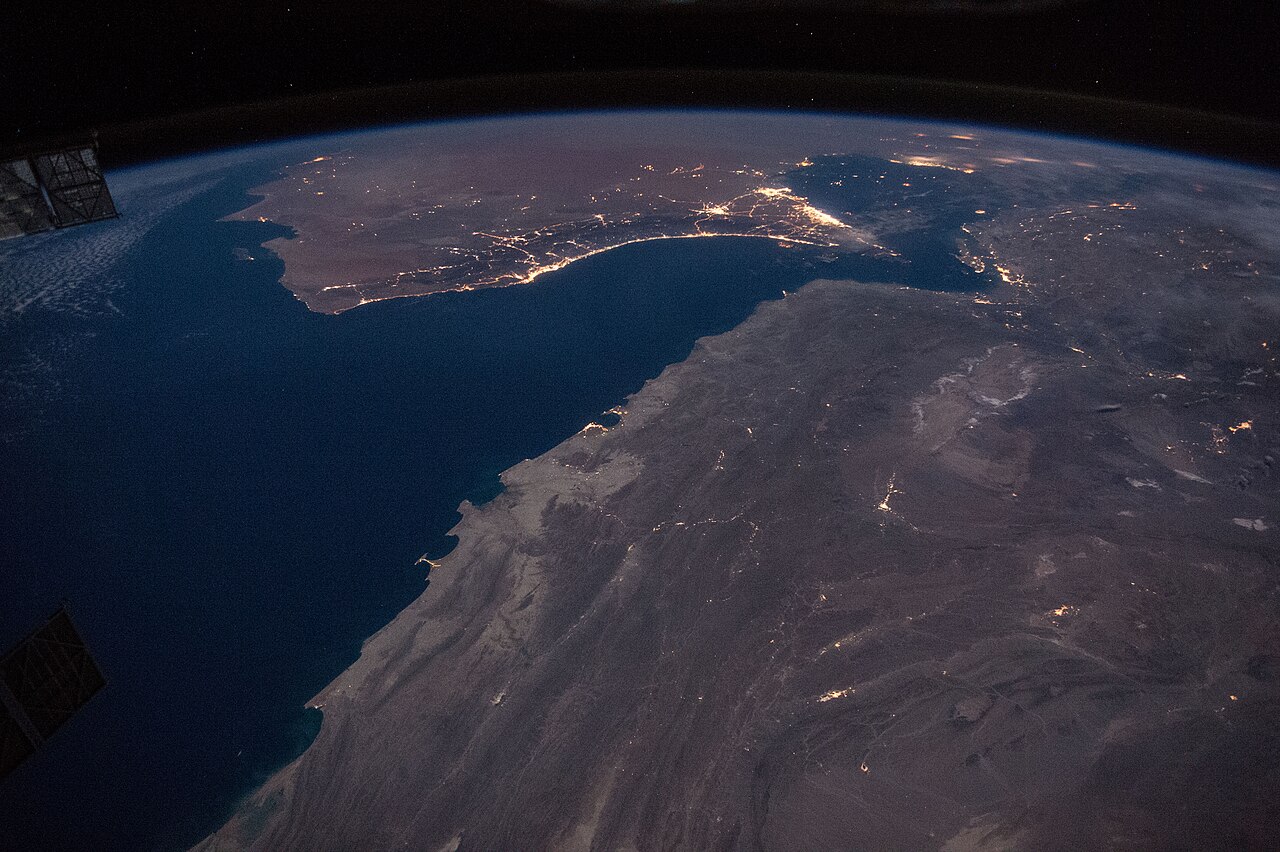
Tension on the water is still high. On Saturday an official in Iran’s Hormozgan province said U.S. forces had attacked two fishing boats near Qeshm Island in the Strait of Hormuz, according to Iranian state broadcasting. That claim has not been independently confirmed, and U.S. Central Command did not immediately respond to CNBC. On Friday, Iran said four tankers had hit mines in the strait.
Oil has climbed on the uncertainty. Brent crude for December delivery settled Friday at $117.64 a barrel, its highest close since late April, CNBC reported. In a parish where many families work in oil and gas, or simply fill up a truck every few days, that number is felt at home.
How we got here
The war began Feb. 28 with U.S. and Israeli strikes on Iran. A preliminary deal signed June 17 to stop the fighting fell apart within weeks, and the last confirmed U.S. strikes on Iran were on Sept. 1, according to CNBC.
The Vermilion Times will update this story if the United States or Iran announces military action.